
Air sealing services in Odessa TX - hidden leaks closed, furnace still breathing
Drafty rooms and a hot upstairs usually come from hidden gaps, and we seal them while keeping the fresh air your furnace needs.
- Service
- Air sealing services
- Call
- (432) 280-0033
How can you tell your house is leaking air?
Drafts near doors and outlets
You feel moving air at a door frame, at an outlet on an outside wall or where a pipe comes through. That's air slipping through a gap, and as long as it stays open, your heating and cooling run longer to make up for it.
Hot rooms upstairs
The upstairs or the room over the garage runs hotter than the rest of the house no matter where you set the thermostat. Usually the attic is pulling air through gaps around lights, wiring and the hatch, and that room keeps fighting your system until those gaps are closed.
A power bill that keeps climbing
The bill creeps up even though nothing in the house has changed. Leaks tend to grow as old caulk dries out and insulation settles, so the longer they go, the more of what you pay to heat or cool slips out of the house.
Do I need air sealing, or just more insulation?
Air sealing services in Odessa, TX close the gaps that let air move in and out of your house, around pipes, wires, recessed lights, the attic hatch and the tops of walls. Think of insulation as a sweater and air sealing as the windbreaker over it, because insulation slows heat but lets moving air pass right through. Most of the work happens in the attic, and we take care of it in the right order.
Most people call because a room is drafty or the upstairs won't cool down, and someone has told them the fix is more insulation. Sometimes it is, but if air is leaking through gaps buried under what's already up there, new insulation just sits on top of the problem. What moves the price is how many leaks are hidden, how easy the attic is to get around in, whether old insulation has to come out first and whether you're adding insulation in the same plan. The schedule usually turns on anything I find that has to be fixed first, like a roof leak or old wiring, and on how much is stored up there. Your written estimate lays out what we'll seal and what you're paying for. We're based in Odessa and do this work across the cities around it, including West Odessa, Midland, Andrews and Monahans.
Details to note before an estimate
- Rooms that feel drafty or hot
- Rough age of the house
- Gas furnace, water heater or fireplace
- Belongings stored in the attic
How we handle air sealing in your attic
I start in the attic by looking for anything that has to be dealt with before we seal, like a roof leak, old knob and tube wiring, a bath fan blowing into the attic or old vermiculite, the pebbly gray-brown insulation, because sealing over those only hides them. If you have a gas furnace, water heater or fireplace, I check how much fresh air it's getting before we tighten anything, so the house still breathes where it has to. Then our crew pulls back the insulation and goes after the hidden leaks around recessed lights, pipes, wiring, the hatch and the tops of interior walls, using caulk on small gaps, foam on bigger ones and solid board on large openings that would sag otherwise. We leave the soffit, ridge and gable vents open, along with any combustion air duct, the opening that feeds air to a gas appliance, since those are meant to move air, and we lay the insulation back evenly so the edges don't end up thin.
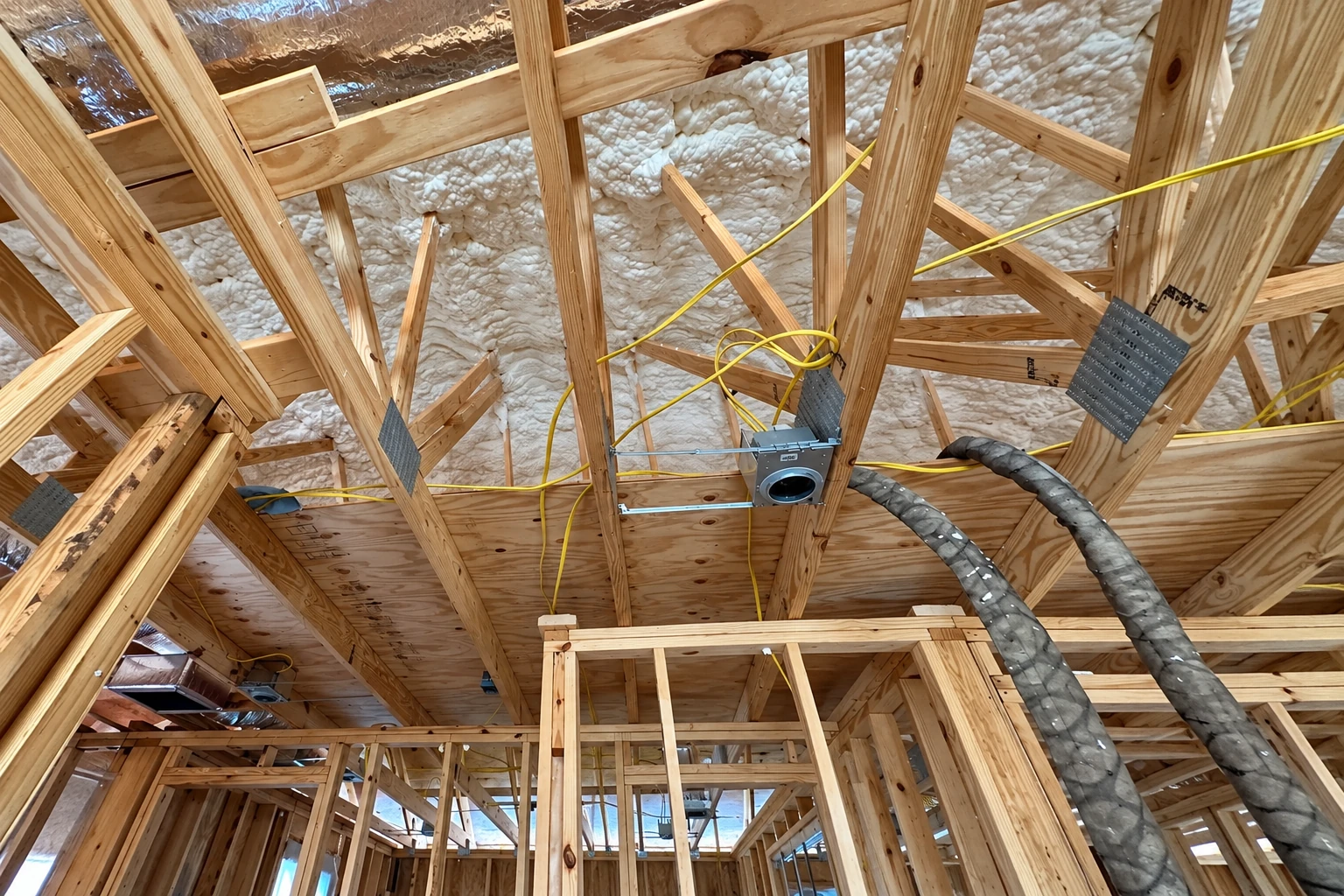
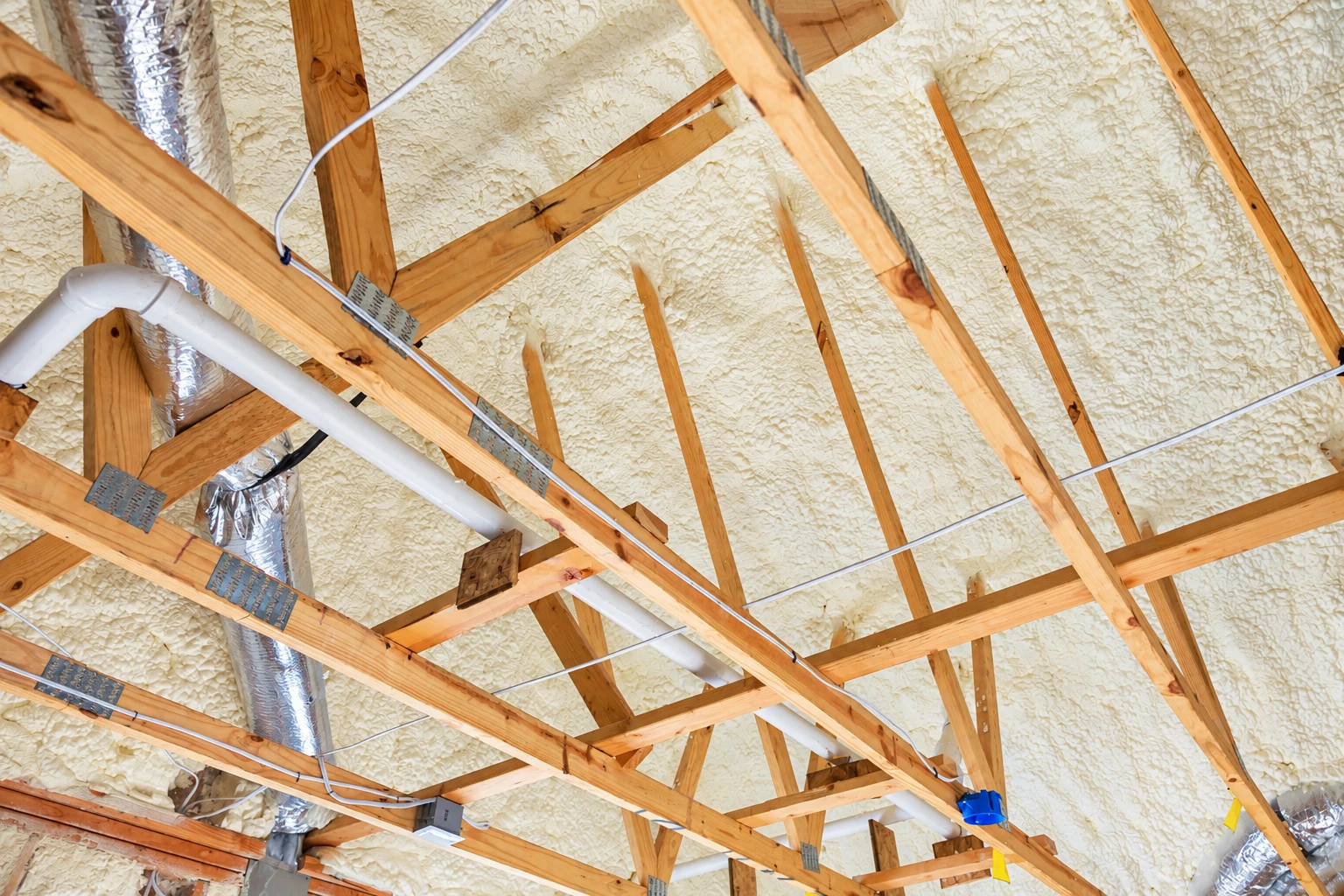
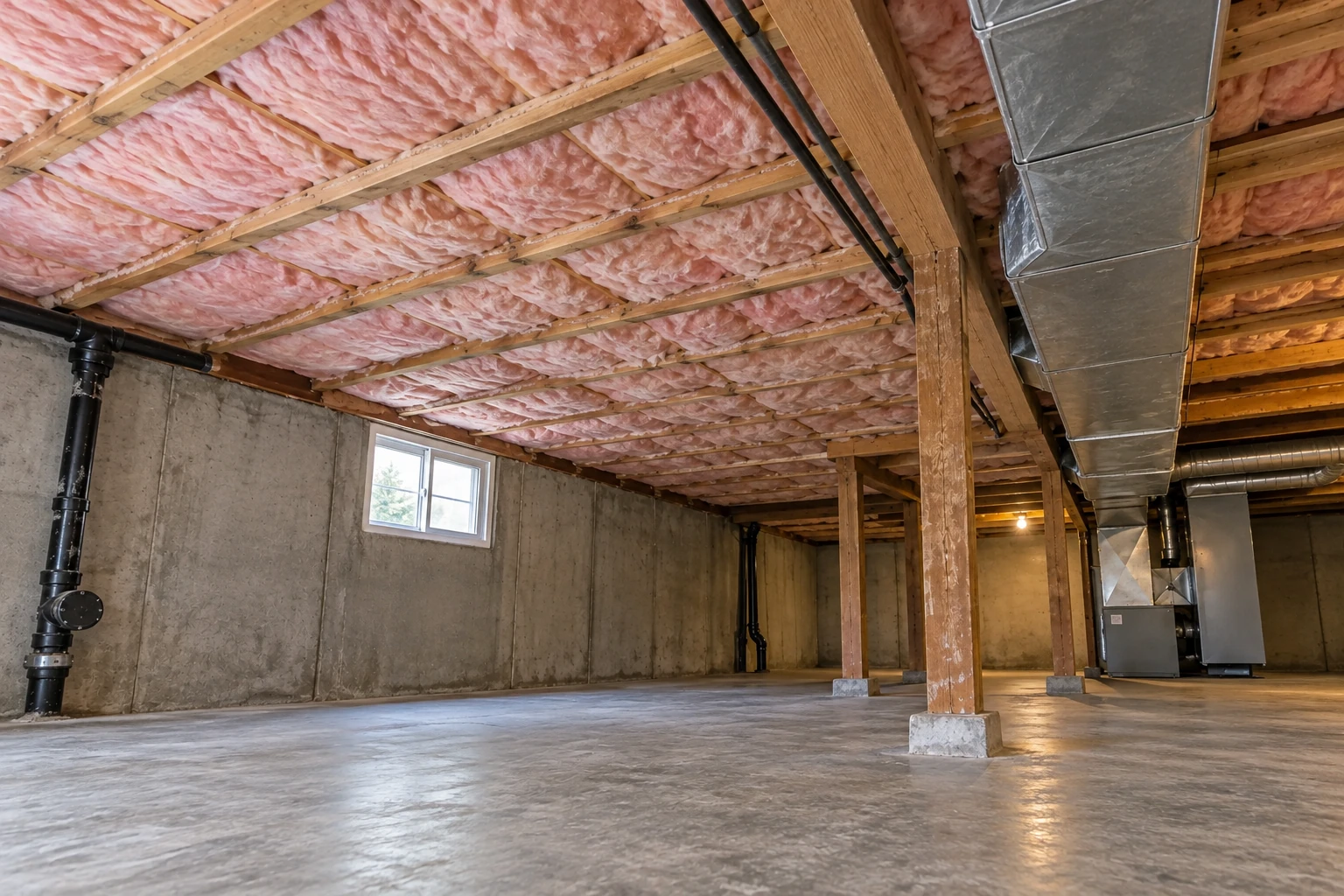
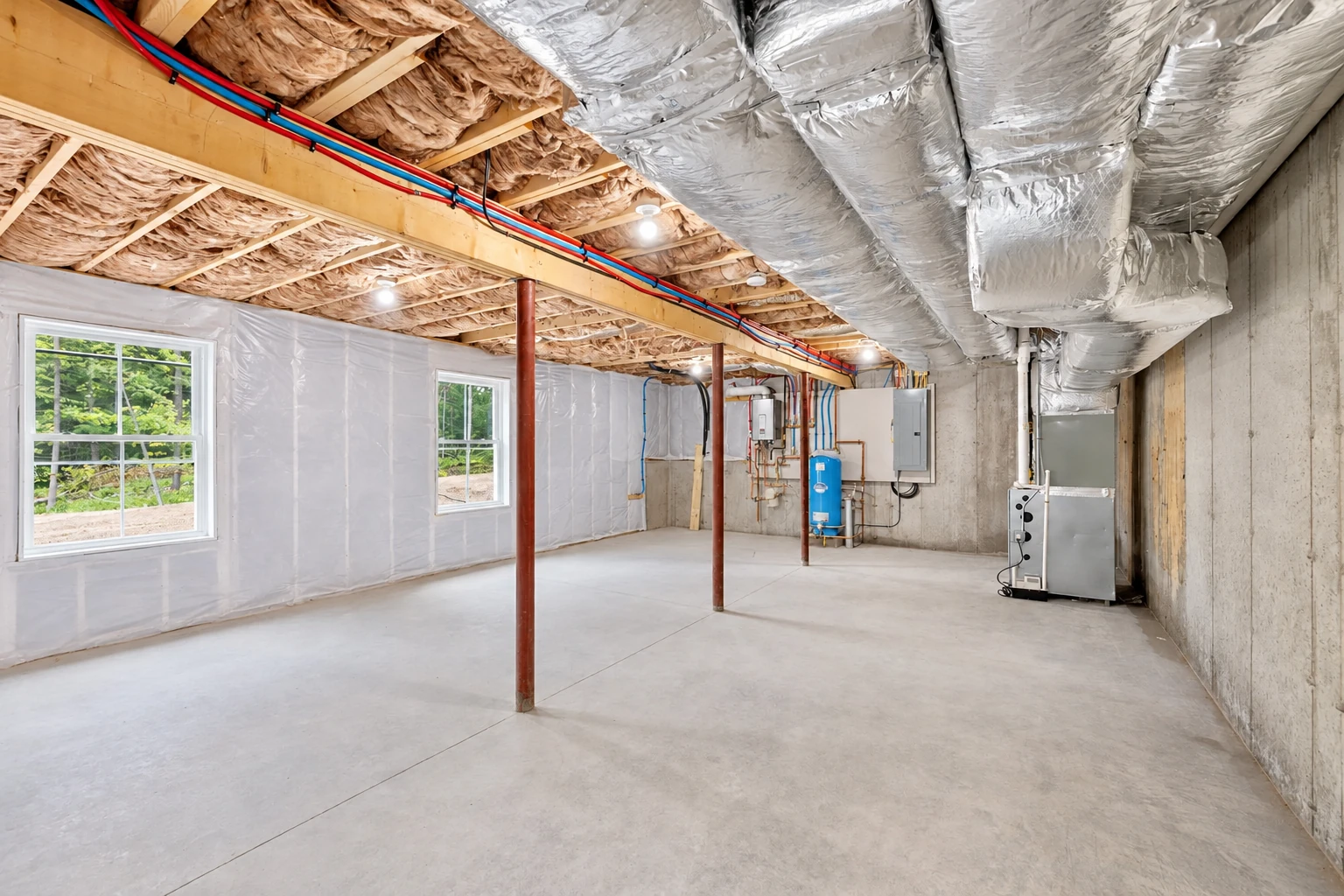
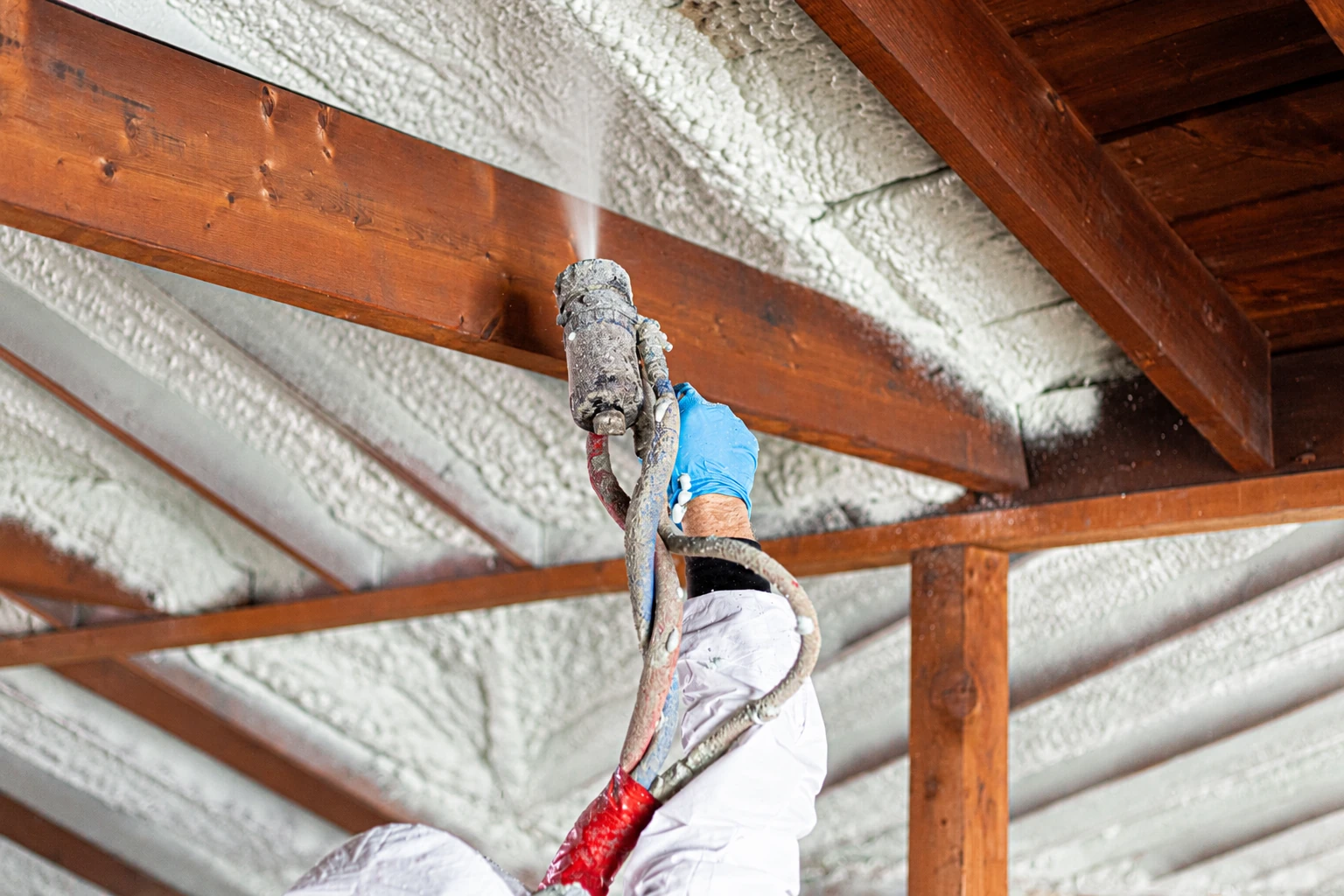
Some houses call for more than caulk and foam in the gaps. When the ductwork runs through the attic, closed-cell foam insulation, a dense foam that blocks air and moisture, seals and insulates in one pass, and it costs more for that reason. Otherwise I'd usually steer you toward sealing the gaps and topping up loose fill, because it does the job for less. If your house has a basement, the same kind of leaks show up where the house meets the foundation, and we can close those as part of basement insulation.
Work that often goes with air sealing
Closed-cell foam insulation
A good fit for spots that need both an air seal and a moisture block in one layer, like a duct-filled attic or the band of framing above a foundation.
Basement insulation
For a basement that feels cold or musty, insulating its walls keeps that air from working its way up into the rooms above.
What happens when you call us about air sealing in Odessa?
Call and talk it through
When you call, I'm happy to talk through what you're noticing before anyone comes out. If it sounds like air sealing will help, we set a time for me to look.
I look at the attic myself
I go up into the attic, and the walls or crawl space if they matter, to find the leaks and anything that needs fixing first. Tell me about any gas appliances and what's stored up there so I can plan around both.
Get your written estimate
I go over your options, including whether foam or sealing plus loose fill makes more sense for your house, and give you a written estimate. It shows what we'll seal and what each part costs, so you're never guessing at what you're paying for.
Our crew does the work
Once you're ready, our crew lead runs the job with the crew, and anything that has to be fixed first gets handled before sealing starts. At the end we walk the job with you so you can see what was sealed.
Questions before you book air sealing
Can I air seal my home myself?
You can handle the obvious leaks yourself, like gaps around door frames and where pipes, vents and wires go through outside walls. What's hard to do on your own is find the small leaks in the attic of an existing house, especially the ones under layers of insulation, and that's where hiring help pays off most. If you've already caulked the easy spots and the house still feels drafty, those buried leaks are usually why.
How do I find hidden air leaks in my house?
Certified home energy assessors find them with a blower door test, a fan in a doorway that pulls air out of the house so the leaks show, and an infrared camera that shows where warm or cool air is getting in. Testing first means the work reaches the hidden leaks, not just the ones in plain sight. When I come out for the estimate, I pull back the insulation where leaks usually hide so the estimate covers those too.
Is air sealing safe with a gas furnace or fireplace?
Yes, as long as the fresh air check comes first. The first step in air sealing is working out how much fresh air your house needs, both for healthy air inside and for fuel-burning furnaces, stoves and fireplaces, because an appliance that gets too little oxygen can give off gases like carbon monoxide. That's the routine check I described above, and I do it before we seal anything.
Do I need a permit for air sealing in Odessa?
Ask the City of Odessa's Building Inspections Division, which issues permits and inspects construction projects in the city for code compliance. When a job needs a permit, we handle it with the right office, the city or the county, and tell you up front, and we're licensed and insured. If I spot a furnace or AC problem along the way, the city requires a licensed HVAC contractor for that repair, so I'll let you know and that contractor takes care of it.
How much does air sealing cost in Odessa?
Your price comes from the written estimate after I've seen the attic, because no two attics hide the same number of leaks. Pulling out soaked or dirty old insulation first, working in a packed or cramped attic and choosing foam over caulk and loose fill all raise it. Ask me about any line on the estimate, since I'd rather you know exactly what you're paying for.
What is the best way to air seal an attic before adding insulation?
Seal first and insulate second, because sealing before the insulation goes in gives you the most energy savings. If you're planning new attic insulation, book the sealing as part of the same plan so nothing gets covered up before it's closed. That way one visit to the attic handles both, in the right order.
Get a written estimate for sealing your attic
Send the form and we'll reply within one business day to set a time, and I'm glad to answer questions over the phone first. Then I come out, look at the attic myself and give you a free written estimate, with no obligation to go ahead.
Explore our services and areas
Services
- Spray foam insulation
- Attic insulation
- Blown-in insulation
- Home insulation
- Insulation removal
- Crawl space insulation
- Wall insulation
- Basement insulation
- Closed-cell foam insulation
- Open-cell foam insulation
- Commercial insulation
- Crawl space vapor barrier
- Vapor barrier installation
- Attic air sealing
- Retrofit insulation
Find the leaks your insulation is hiding
Our phone hours run seven days a week until 9 PM, so you can call (432) 280-0033 after work or early on a weekend.