
Attic insulation in Odessa TX - a cooler upstairs and a power bill that makes sense
Upstairs running hot while the AC never shuts off? We check what's in your attic first, then add only what it's missing.
- Service
- Attic insulation
- Call
- (432) 280-0033
How can you tell your attic is short on insulation?
Upstairs runs hot
The upstairs bedrooms stay warm into the night while the AC runs almost nonstop. That usually means the insulation up top is thin, has settled or is letting air leak through, and every month you wait shows up on the power bill.
The room over the garage
One room is too hot in summer and too cold in winter, and it's often the one over the garage or under a low part of the roof. Those spots are hard to reach, so they're the ones most often left thin, and a space heater or window unit only covers for it.
Stained or matted insulation
If you've looked up the hatch and seen dark patches, flattened spots or droppings, the old insulation has been soaked or lived in. New insulation over that just hides the problem, and the longer a leak sits, the more the wood underneath takes on water.
What does adding attic insulation in Odessa involve?
Attic insulation in Odessa means sealing the gaps that let air leak up from your rooms and then laying insulation evenly across the attic floor, so your house holds its cool in summer and its heat in winter and costs less to heat and cool.
Most people call us because a room is uncomfortable or the power bill jumped, not because they've been up in the attic, and that's fine. The price mostly turns on what's already up there, whether old material has to come out first through insulation removal, how many attic spaces you have and how easy they are to get into, and how deep you want to go. The schedule turns on whether something has to be fixed before we insulate, like a roof leak or a fan venting into the attic, and on a permit if your job needs one. Your written estimate lays out the options and what each one includes, so you know what you're paying for before you decide.
Details to note before an estimate
- Number of attic spaces and hatches
- Whether the joists show above the insulation
- Roof leaks or ceiling stains
- Recessed can lights in upstairs ceilings
- Pebbly, gray-brown loose insulation
- Fans that vent into the attic
How we handle attic insulation
Some attics don't need more insulation, so I go up and check what's there before I quote anything, looking at how deep it sits, whether the eave vents are clear and whether there's a roof leak, old wiring or a bath, kitchen or dryer fan venting into the attic. If I find one of those, we plan that fix first, because a leaking roof will soak new insulation, live knob-and-tube wiring needs replacing before anything gets piled around it, and a fan should push its damp air outdoors. With that settled, our crew does the air sealing, closing gaps around can lights, pipes, wires and the hatch so the insulation isn't fighting a draft, and we take extra care around those can lights since they need it. We keep the eave vents open so the attic can still breathe, then spread the insulation to an even depth and make sure the edges get as much as the middle, because thin edges over the outside walls are where a lot of jobs fall short. We're fully licensed and insured.
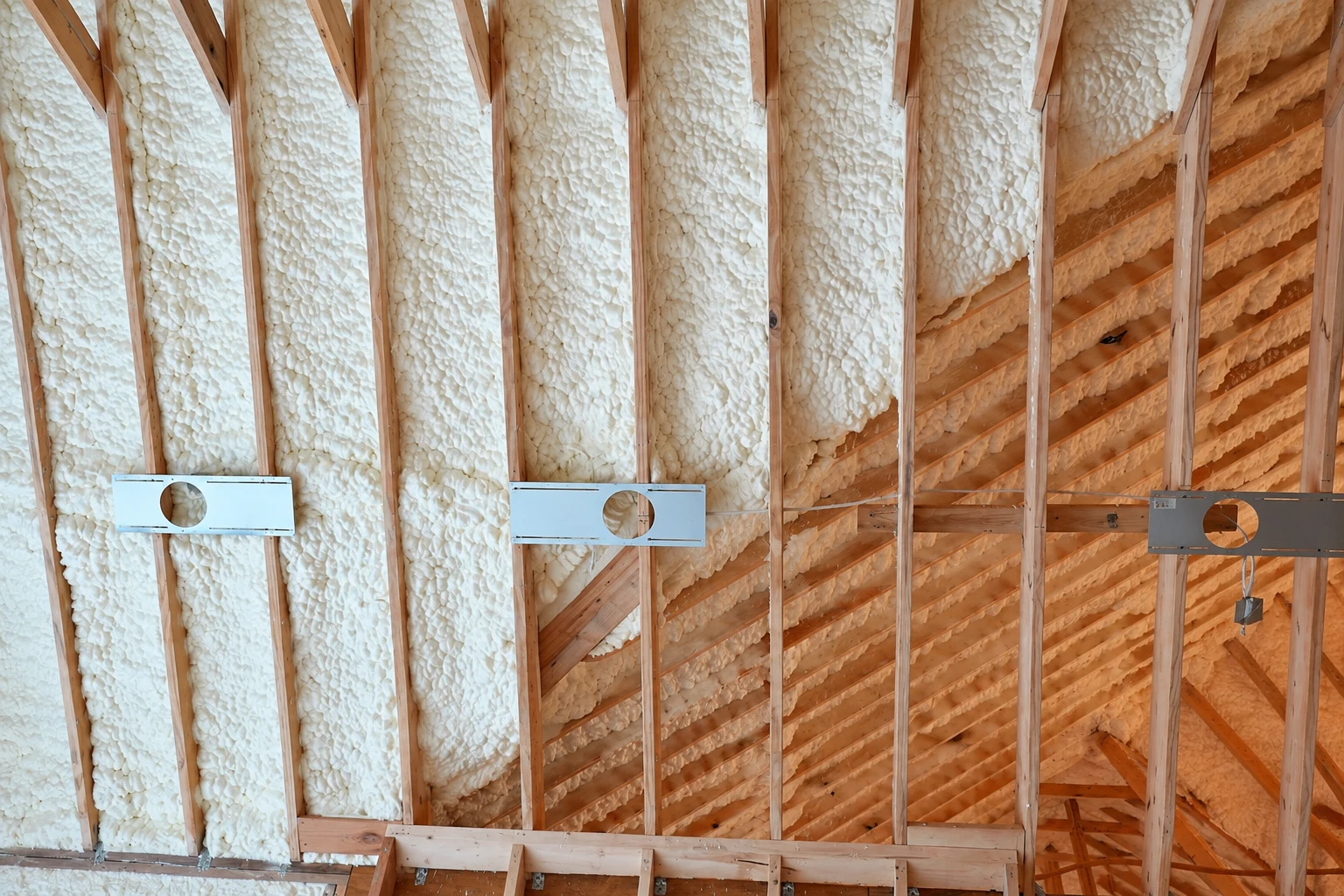
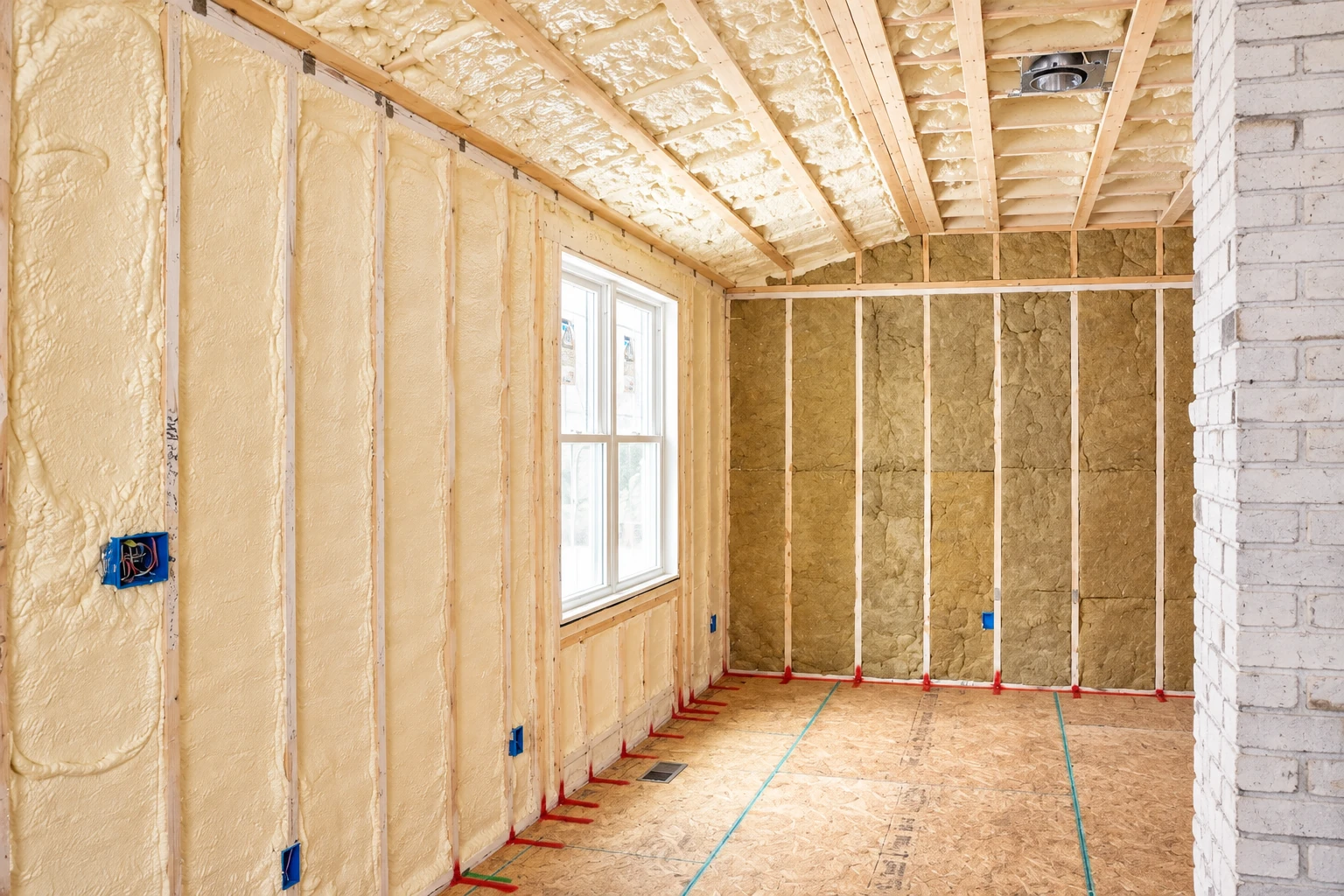
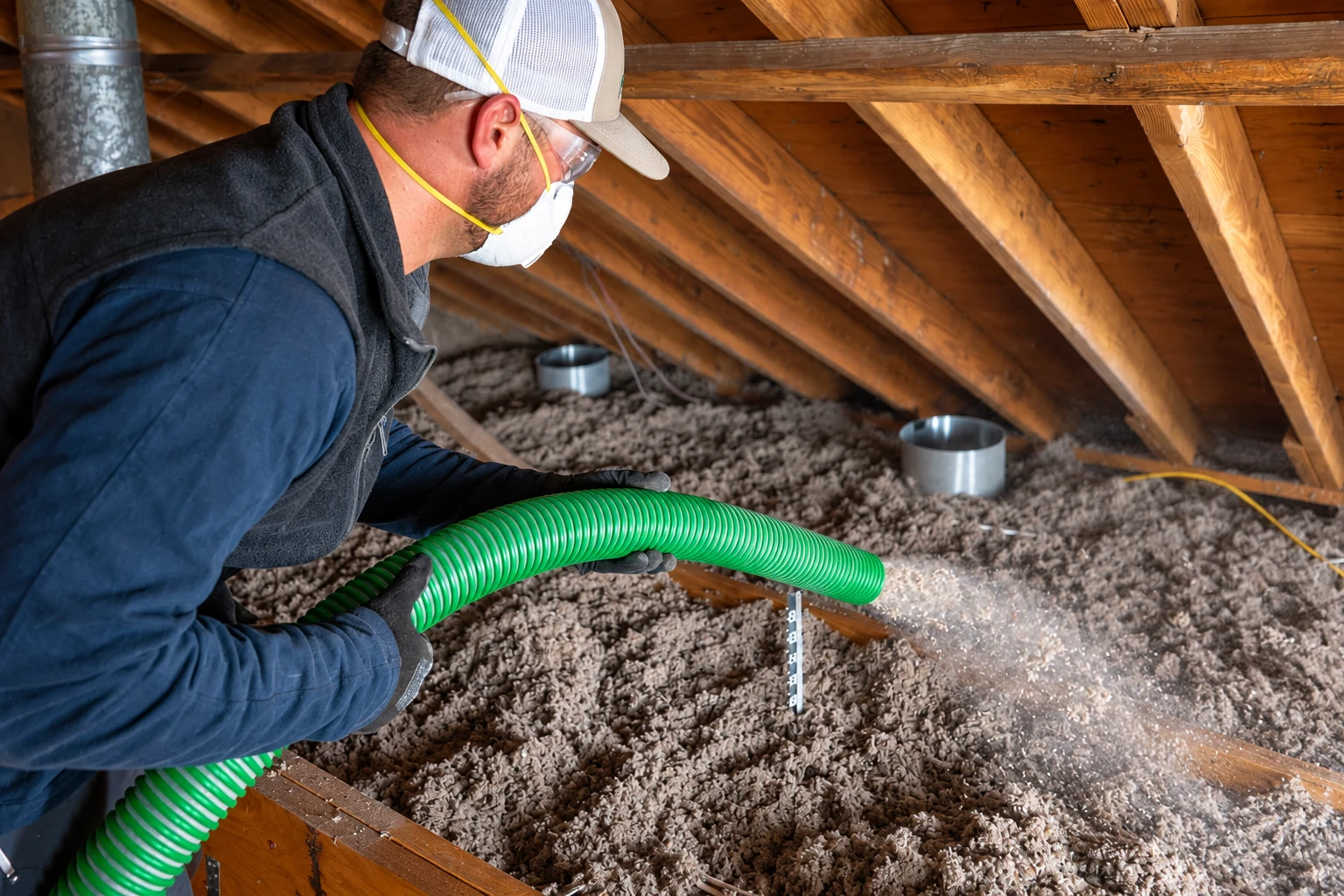
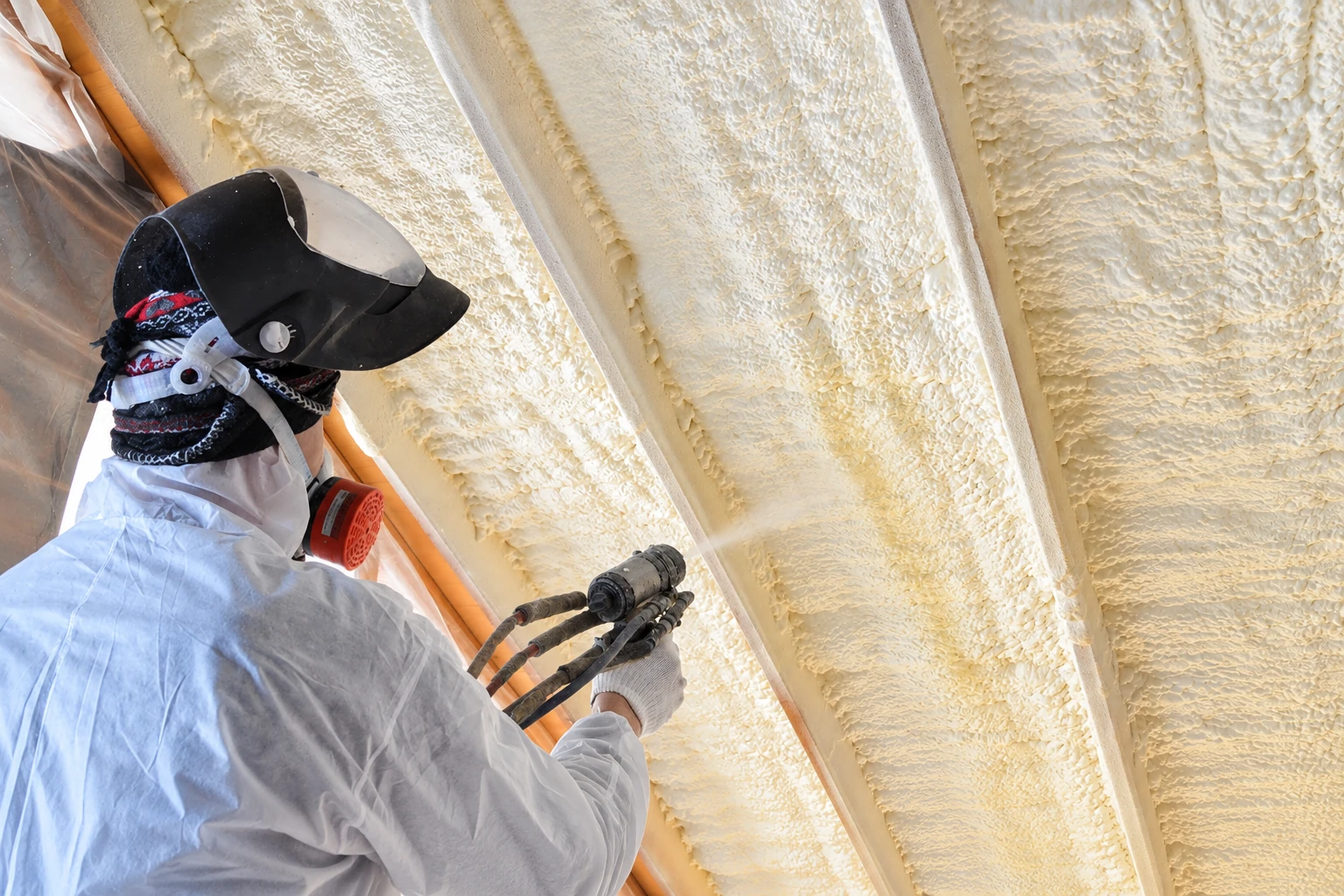
People ask about spray foam, and it does seal air while it insulates, but it costs more, so I usually recommend sealing the gaps and topping up with loose fill unless your ductwork runs through the attic. That loose fill is blown-in insulation, material blown through a hose so it settles in around the framing and wiring. If the attic is one piece of a bigger comfort problem, with cold floors or drafty rooms too, our home insulation work looks at the whole house so the fixes happen in the right order.
Other work that often comes with it
Blown-in insulation
When your attic floor just needs more depth, this is how we usually add it, filling corners and tight spots a roll can't reach.
Home insulation
If more than one room is uncomfortable, a whole-house look shows where the heat is really getting in before you spend money on any one spot.
What happens after you call about your attic?
Call or send the form
I'm glad to talk it through on the phone first, and a lot of questions get answered right there. Then we set a time for me to come out and see the attic myself.
I check and write it up
I look at what's up there and anything that should be fixed before we insulate, then go over your options with you. You get a written estimate that spells out each option and what it covers, so the price isn't a mystery.
Our crew does the work
Our crew lead runs the job with the crew, sealing first and insulating second. If your job needs a permit, the city says to plan on 3 to 10 business days on average for alteration permits, counted from a complete application, so we build that into the start date.
We walk it with you
When the crew's done, we go up and over the attic with you so you can see the sealed spots and the depth across the floor. Your satisfaction, guaranteed.
Questions before you book attic insulation
How do I know if my attic needs more insulation?
If the insulation sits level with or below the floor joists so you can easily see them, it's time to add more. If the joists are buried well under it, you probably have enough, and adding more may not pay for itself. I check the depth when I come out and tell you plainly if yours is already fine.
What is the best insulation for a vented attic in Odessa?
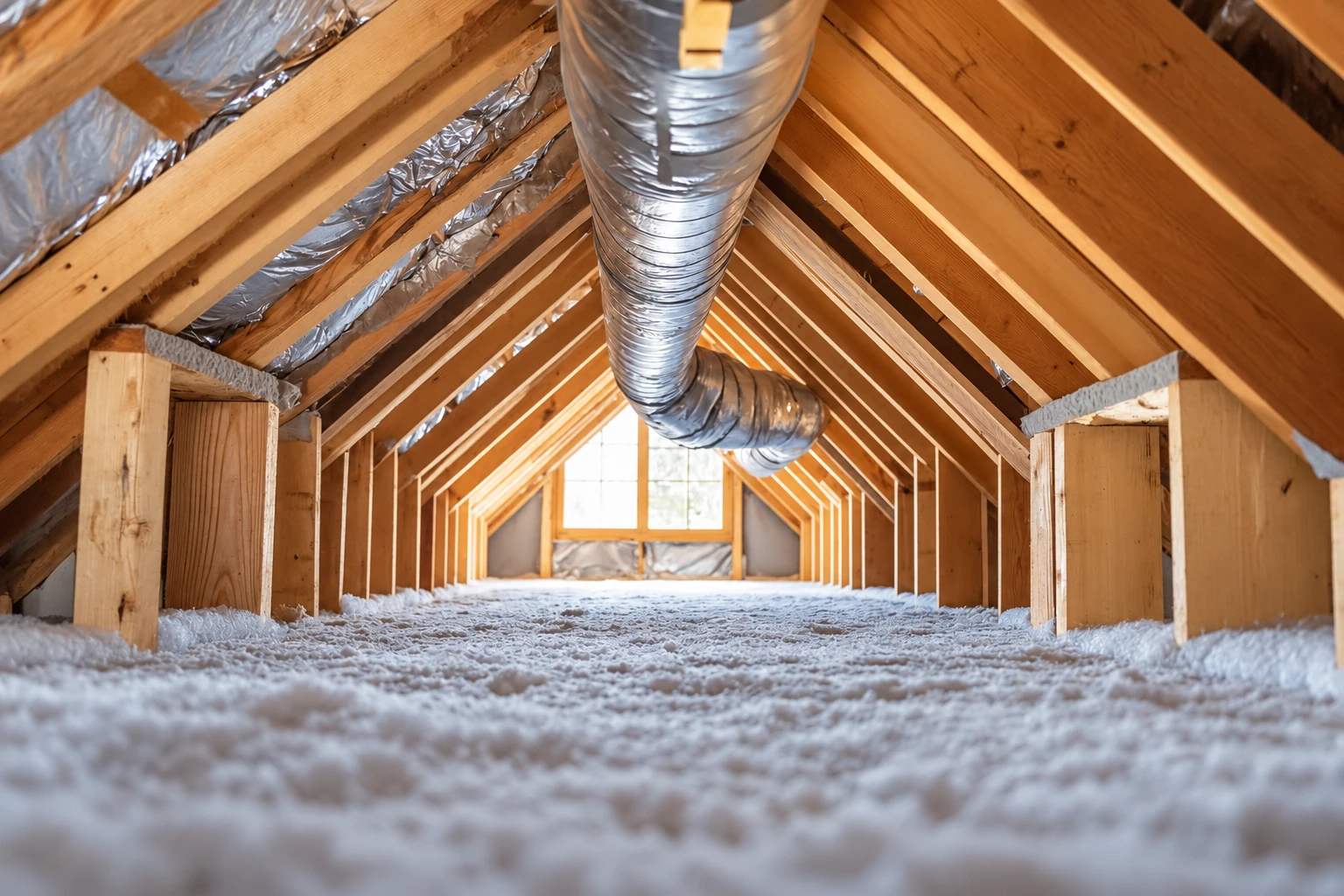
Loose fill and fiberglass batts on the attic floor are the least expensive choices for a vented attic and work well in any climate, as long as the attic floor and the hatch are sealed tight. A radiant barrier, a rolled foil that reflects heat, can help too, since it's especially useful in hot, sunny places and the city tells builders to plan new heating and cooling systems for summer days between 98 and 102 degrees. I'll tell you which makes sense once I've seen your attic.
What makes attic insulation cost more in Odessa?
The price usually goes up if you choose cellulose, have more than one attic space, have an attic that's hard to get into, or need old insulation taken out first. Aiming for a higher R-value, the measure of how well insulation slows heat, mostly means more inches, so that adds to it as well. Your written estimate breaks those pieces out so you can see where the money goes.
What should I do if my attic has vermiculite insulation?
Leave it alone. The EPA advises treating vermiculite as if it may contain asbestos and not disturbing it, and if you decide to have it removed, a trained, accredited asbestos abatement contractor that's separate from whoever assessed it should do the work. If I spot it, I'll show you, and we won't blow new insulation over it or start pulling it out.
Who issues building permits in Odessa?
The City of Odessa's Building Inspections Division issues permits and inspects construction projects for code compliance. When a job needs a permit, we handle it with the right office, whether that's the city or the county, and we tell you up front.
Do I have to leave the house while my attic gets insulated?
Usually not for loose fill, since the work happens up in the attic and we keep the area under the hatch covered. Spray foam is different because it comes with a re-entry time, the wait before people and pets can come back inside, and I'll tell you what that looks like for your job before we schedule it.
Get a written estimate for your attic
We respond within 1 business day, and the in-person estimate is free, with no pressure and no obligation. After you send this, I'll call to talk it through, then come out to look at your attic myself and give you a written estimate with your options.
Explore our services and areas
Services
- Spray foam insulation
- Blown-in insulation
- Home insulation
- Insulation removal
- Crawl space insulation
- Wall insulation
- Air sealing services
- Basement insulation
- Closed-cell foam insulation
- Open-cell foam insulation
- Commercial insulation
- Crawl space vapor barrier
- Vapor barrier installation
- Attic air sealing
- Retrofit insulation
Find out what your attic actually needs
Call (432) 280-0033 or send the form and tell me whether you can see the joists, since that answers half the question before I get there.