
Basement insulation in Odessa TX - a dry wall first, then foam done right
A cold, damp basement wall? We start with the water problem, then foam and cover the wall so the room stays comfortable and sealed.
- Service
- Basement insulation
- Call
- (432) 280-0033
How do you know your basement needs insulating?
Cold rooms downstairs
The basement room never warms up, or the floor above it stays cold all winter. Usually that means bare walls and open gaps are letting air move through, and every month it waits shows up on the power bill.
Musty smell or damp spots
You smell it when you open the door, or you see dark patches and white crust low on the wall. That usually means water is working through the foundation, and the longer it goes, the more it soaks whatever is stored or built against that wall.
Sagging, stained old batts
Somebody put fiberglass up years ago, and now it's drooping, discolored or pulling away from the block. That usually means moisture got behind it, and leaving it up keeps the damp held right against the wall.
What does basement insulation in Odessa involve?
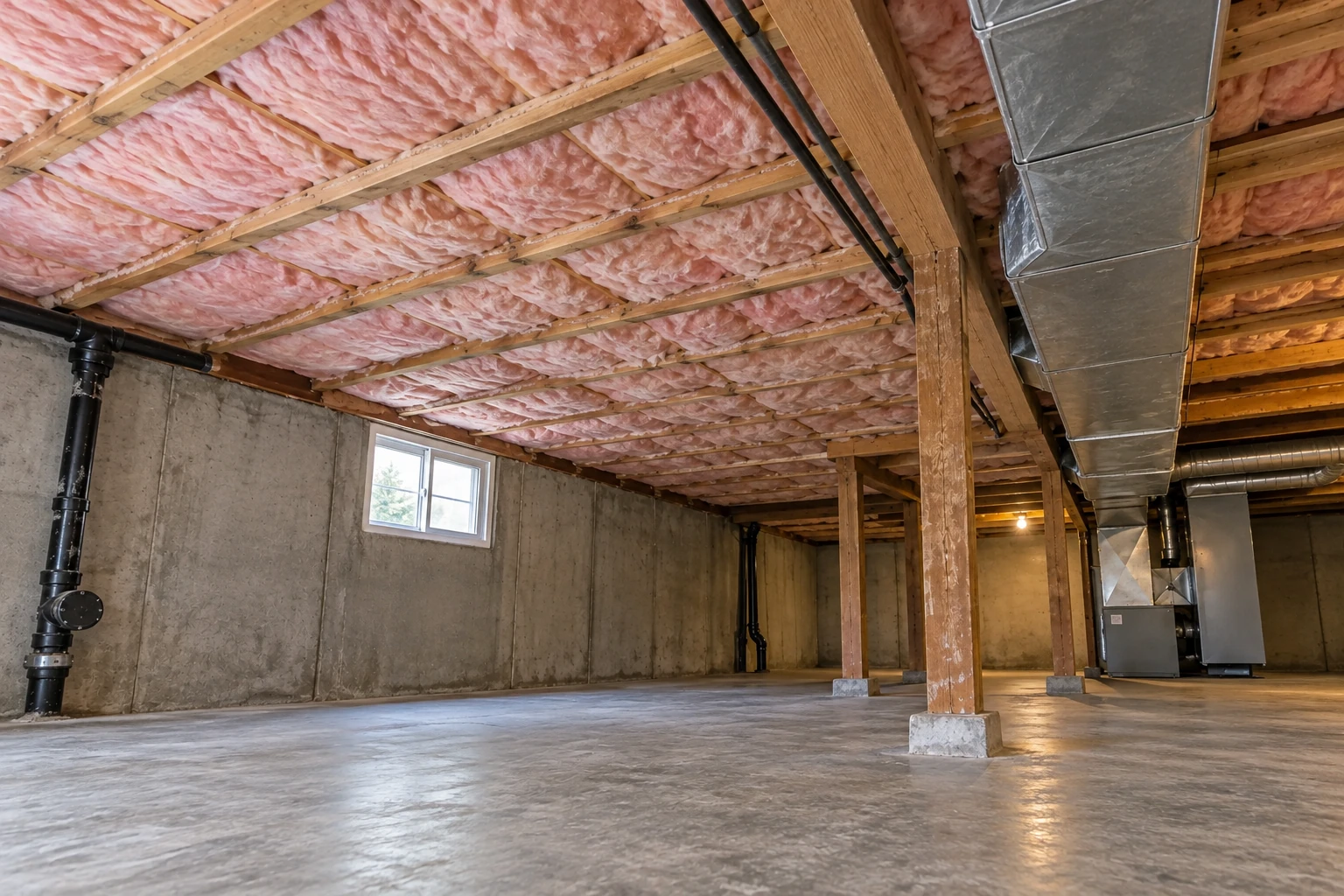
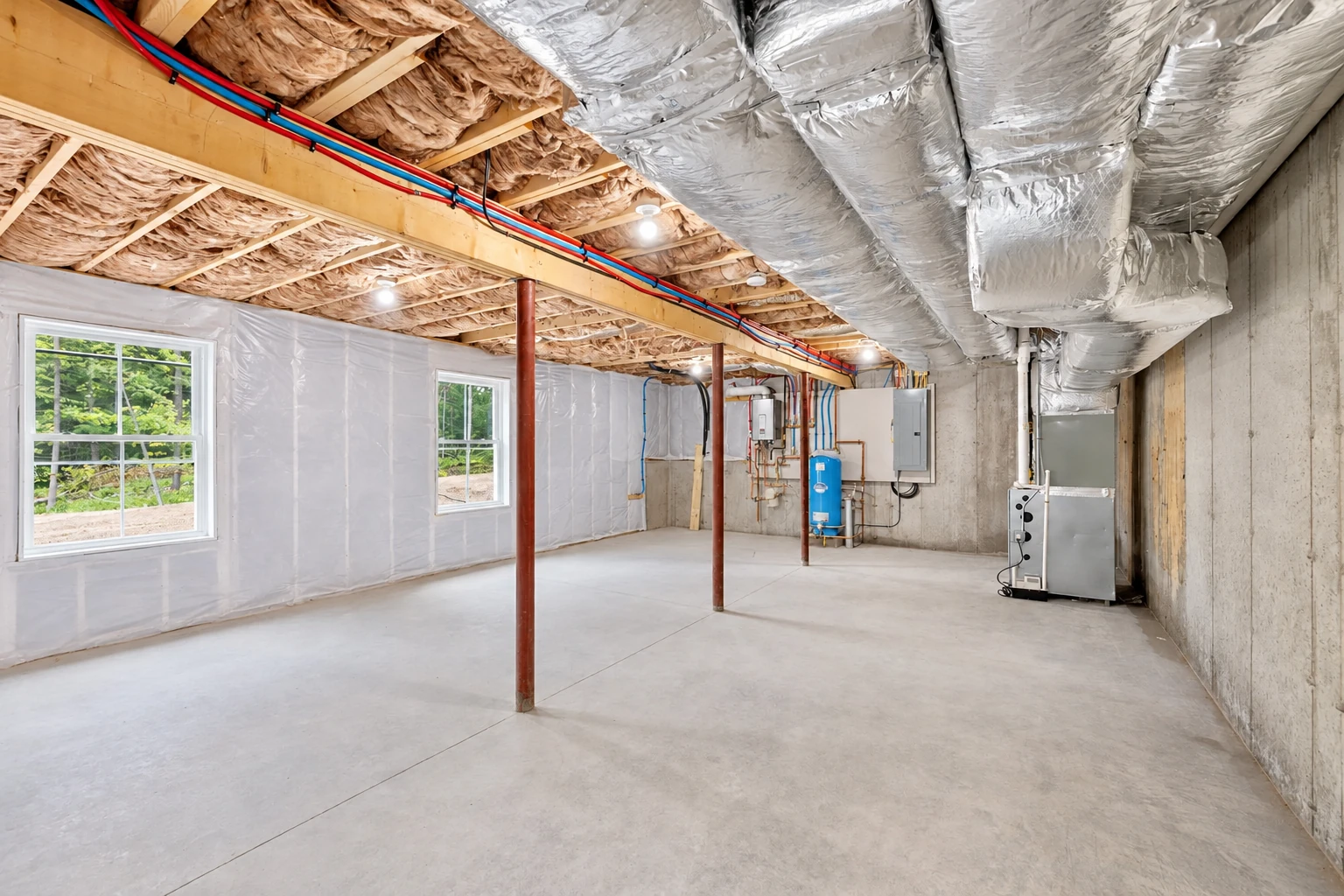
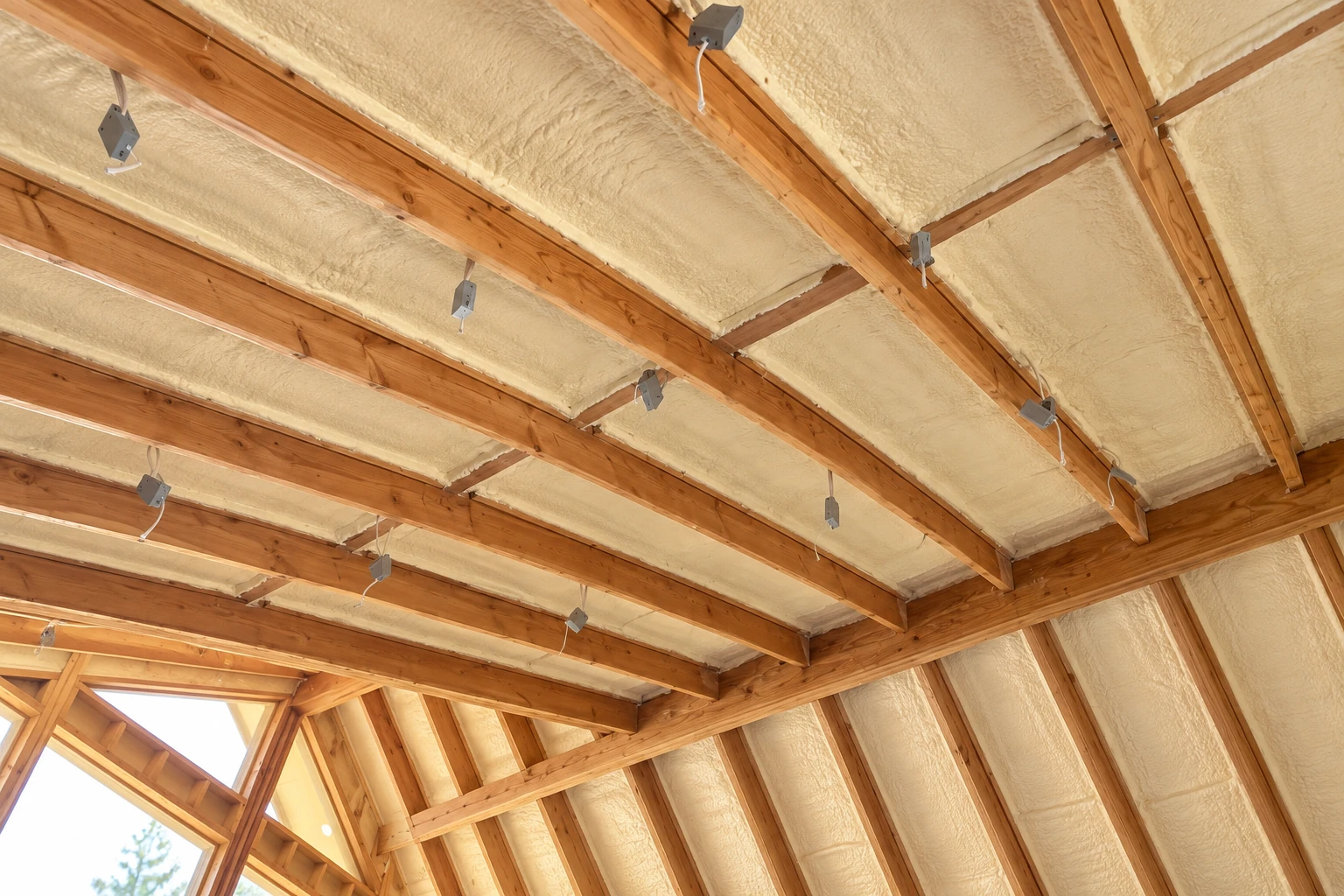
Basement insulation in Odessa means putting rigid foam boards or spray foam on the inside of your basement walls. Done right, it also keeps moisture in check and works as an air barrier, a layer that stops air from leaking through the wall.
Most of the time you're looking at bare concrete or block and a room you'd like to use more. The price moves with how much wall there is, which foam that wall needs, how much prep comes first and what goes over the foam once it's on. The schedule mostly turns on that prep, because a wall with a water problem gets dealt with before we insulate, and I won't know how much that is until I've seen it. I'll lay all of that out for your walls in the estimate, and if part of your house sits over a crawl space instead, that side is crawl space insulation.
Details to note before an estimate
- Rough square footage of the walls
- Where you've seen damp or stains
- Any old insulation already up
- Finished room or bare walls
How we handle basement insulation
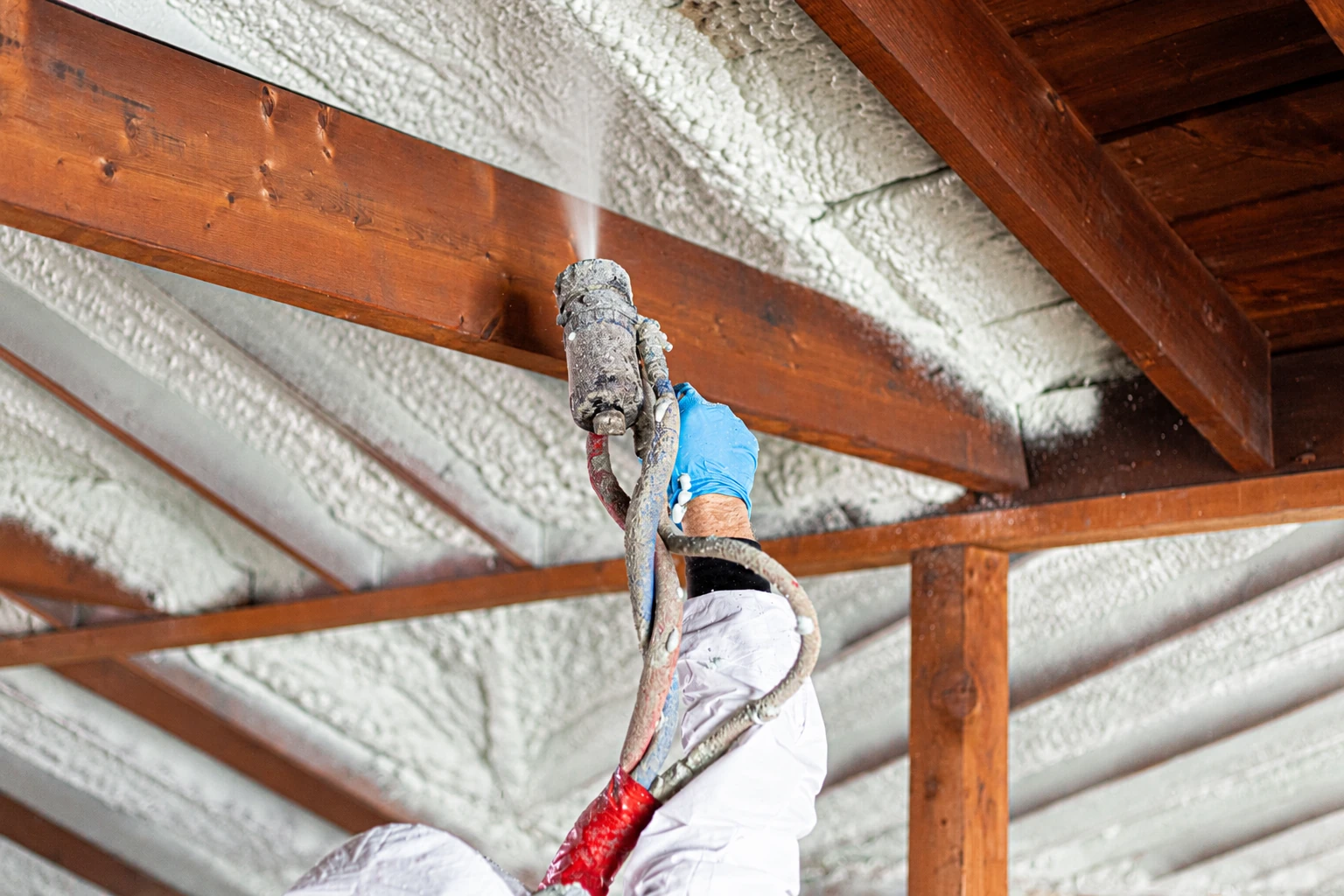
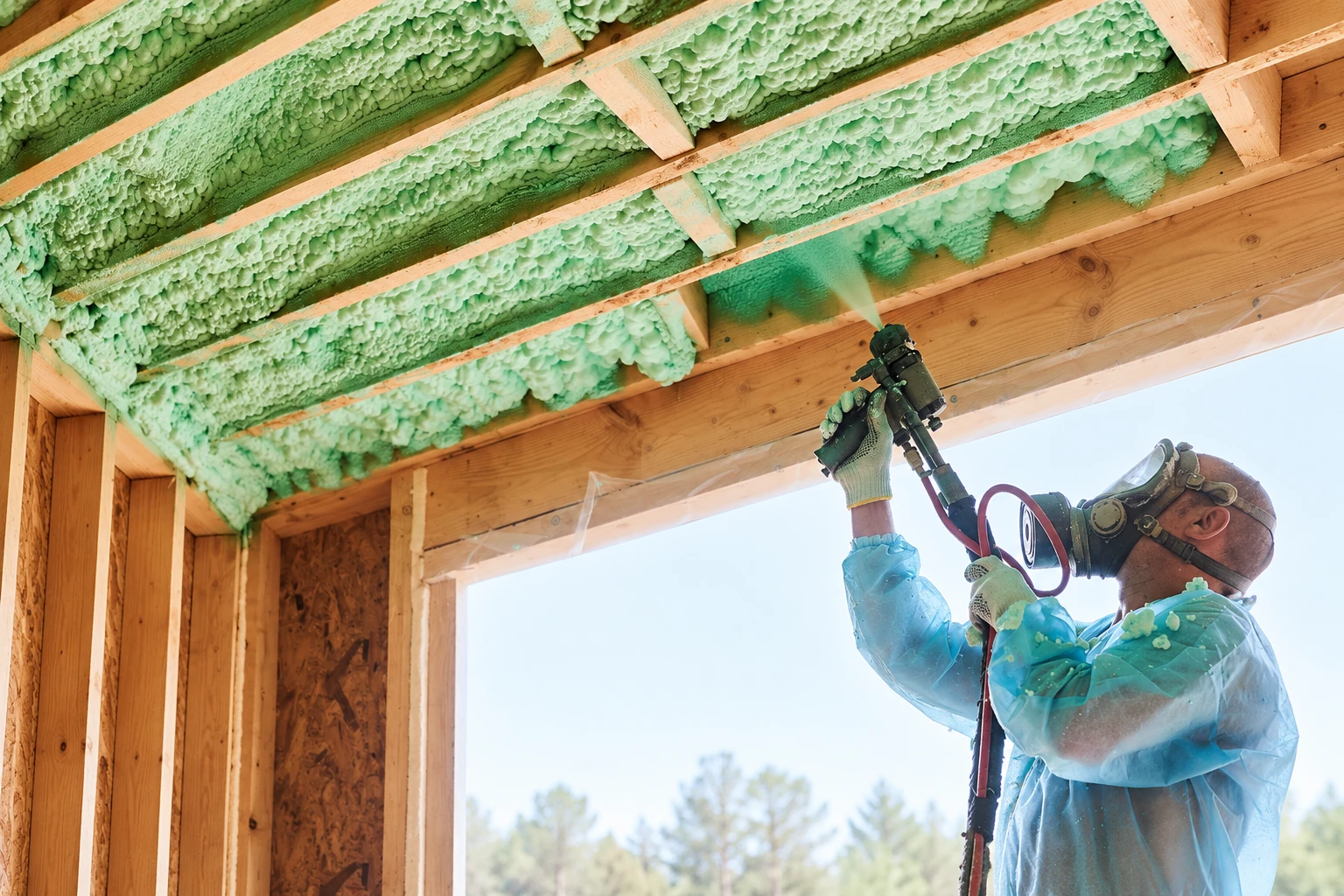
We start with the water. If a basement wall is damp or leaking, that gets fixed before any insulation goes on, because foam over a wet wall just hides the problem behind it. Once the wall is ready, we pick a spray foam for how much moisture that wall sees, spray it on, and cover it with ignition-barrier paint, a fire-resistant coating, or with drywall, since spray foam isn't supposed to be left bare. That covering is part of a finished job, so if you're comparing quotes, check that each one includes it.
Most of the choice comes down to two foams. Closed-cell foam insulation is a dense foam that gives the best moisture control you can put on the inside of a foundation wall, so it's what I'd lean toward on a wall that sees real damp. Open-cell foam insulation also blocks air leaks well but has to go on thicker to give the same vapor protection, which can make sense on a wall that stays dry.
Two foams for basement walls
Closed-cell foam insulation
Worth a look when your basement wall sees steady moisture, because it's the foam that holds up best against it.
Open-cell foam insulation
A good fit for a drier wall where you mainly want to stop drafts and warm the room, as long as it goes on thick enough.
What happens after you call about your basement
Call or send the form
Call (432) 280-0033 or use the form, and I'm glad to talk your basement through on the phone before anyone comes out. We're based in Odessa and work across the cities around it, with West Odessa, Midland, Andrews and Monahans among them.
I look at the wall
I come out myself and check for anything that should be fixed before we insulate, like water coming through the wall or a wiring problem. That way new foam isn't covering up something that'll cost you later.
Go over options and price
I walk you through which foam fits your walls and how it'll be covered, then give you a written estimate. You'll see the prep, the foam and the covering spelled out, so you know what you're paying for before you sign anything.
Install and walk it together
Our crew lead runs the install with the crew, and when it's done we walk the finished basement with you. We're fully licensed and insured.
Questions before you insulate your basement
How much does basement insulation cost in Odessa?
Insulation work in Odessa usually costs about $1 to $5 per square foot, and that's a broad planning range for the area, not my price for your basement. Where your job lands depends on the wall area, the foam it needs, the prep and the covering. I'll put your number in writing after I've seen the walls.
Can fiberglass insulation go against a basement wall?
Fiberglass batts or cellulose shouldn't touch a foundation wall, according to federal building research guidance, so if a quote includes either one, ask how it'll be kept off the wall. Plastic sheeting also shouldn't go on the room side of fiberglass in a basement, because it can trap moisture inside the wall. Kraft-faced batts or latex paint on the drywall are the suggested choices instead.
What needs to be fixed before insulating a basement?
Any water coming through the wall gets fixed first, and water around the house should drain away from the foundation. Openings in the wall should be air sealed before insulation goes on. If wiring, plumbing or HVAC along that wall needs repair, city inspection guidance says that takes a licensed electrician, plumber or HVAC contractor, and unlicensed work can bring fines for the business owner and the worker.
Who issues building permits for basement insulation in Odessa?
The City of Odessa's Building Inspections Division issues permits and inspects construction projects for code compliance, so that's the office to ask. The city uses the energy chapter of its residential building code as the energy code for one- and two-family homes. When a job needs a permit, we handle it with the right office, whether that's the city or the county, and we tell you up front.
How do I insulate basement walls with rigid foam board?
Rigid foam board works on the inside of a basement wall when every panel sticks fully to the wall with no air gaps behind it. The edges and seams have to be sealed tight too, because that's what keeps moisture under control.
What is the best way to insulate a basement rim joist?
Rigid foam or spray foam is the usual way to insulate and air seal a rim joist, the wood band where your floor framing sits on the foundation. It's a critical step when you're insulating the floor over a basement that isn't heated or cooled, so make sure it's in the quote for that kind of job.
Get a written estimate for your basement walls
We reply within one business day, and the in-person estimate is free, with no pressure and no obligation. After you send the form, I'll get back to you, talk it through on the phone if you'd like, and set a time to come look at your basement walls myself.
Explore our services and areas
Services
- Spray foam insulation
- Attic insulation
- Blown-in insulation
- Home insulation
- Insulation removal
- Crawl space insulation
- Wall insulation
- Air sealing services
- Closed-cell foam insulation
- Open-cell foam insulation
- Commercial insulation
- Crawl space vapor barrier
- Vapor barrier installation
- Attic air sealing
- Retrofit insulation
Book a look at your basement walls
Have the rough square footage and any signs of water you've noticed handy when you call (432) 280-0033 or use the form, and that first conversation goes a lot further.