
Blown-in insulation in Odessa TX - a full, even layer over a sealed attic floor
Hot upstairs rooms and a climbing power bill usually mean the attic is thin. We fix what's wrong up there, then top it up.
- Service
- Blown-in insulation
- Call
- (432) 280-0033
How can you tell your attic needs more insulation?
Upstairs runs hot
The bedrooms upstairs or the room over the garage stay hot into the evening while the AC runs and runs. That usually means the attic layer is thin or hot attic air is leaking down through gaps, and every summer you wait, the power bill pays for it.
Joists showing through
Open the attic hatch and you can see the tops of the ceiling joists, or the layer is deep in the middle and thin at the edges. Old loose fill packs down over the years, and those thin spots keep letting heat through until someone fills them.
Stained or matted insulation
Dark streaks, flattened patches or droppings in the insulation usually point to a roof leak or animals. Blowing new material over that hides the problem without fixing it, and a leak left alone keeps wetting the framing and the ceiling under it.
Is blown-in insulation the right fix for my Odessa attic?
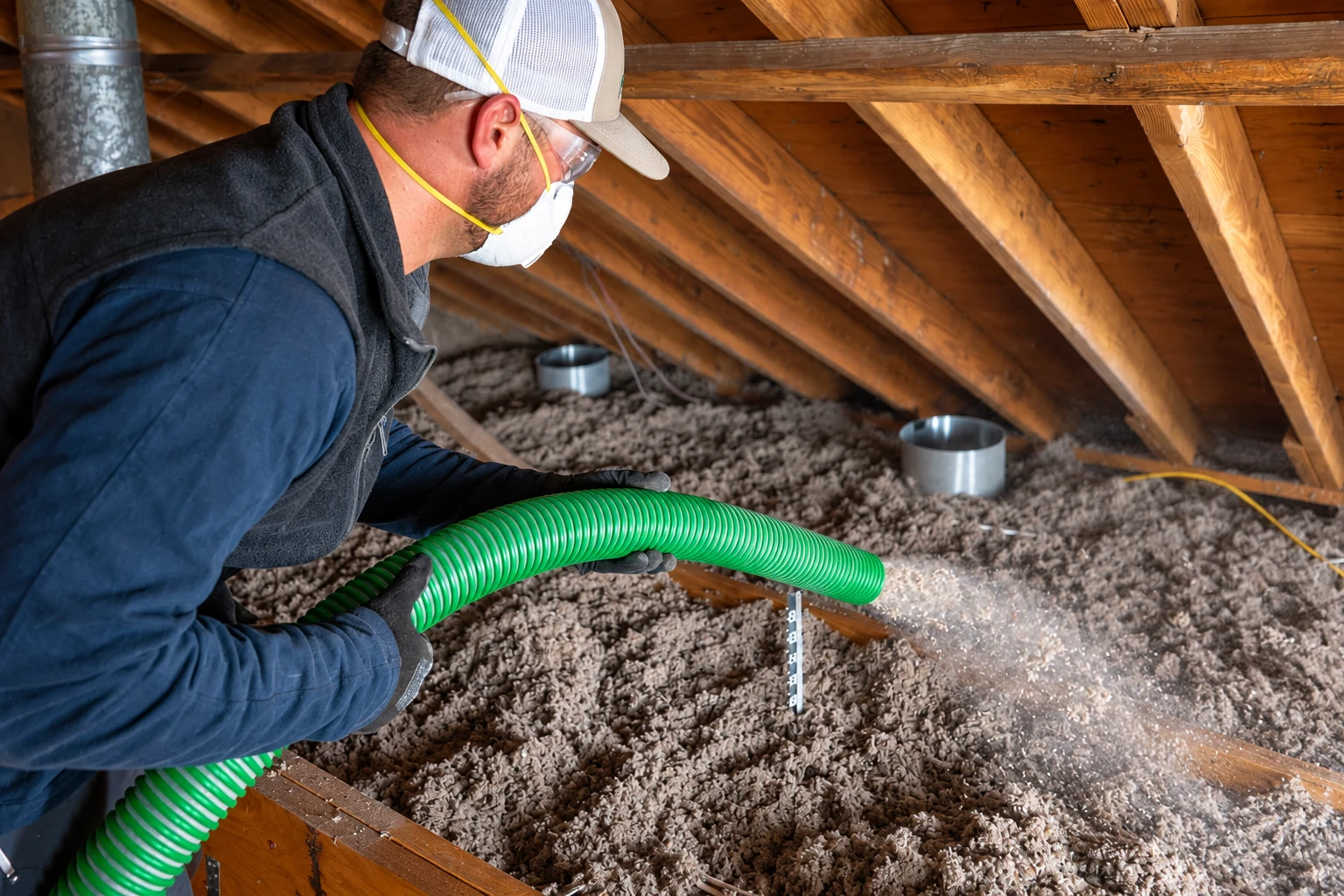
Blown-in insulation in Odessa is loose cellulose or fiberglass blown through a hose onto your attic floor, where it fills in around joists, wires and odd corners that rolled batts leave open. It slows the heat coming down through your ceilings, and since we're already up there, it's the right time to seal the gaps in the attic floor too.
Most people who call me have a house that's hot upstairs by afternoon and an attic nobody has touched in years. The price mostly turns on the size of the attic, how many inches are already up there, which material you pick and how much sealing or repair has to happen first, and the schedule turns on that same prep plus how easy the attic is to get into. I'll give you your own number in a written estimate after I've been up there and seen it.
Details to note before an estimate
- Rough size of the house
- Where the attic hatch is
- Inches of insulation already up there
- Ceiling stains or past roof leaks
How we do blown-in insulation, start to finish
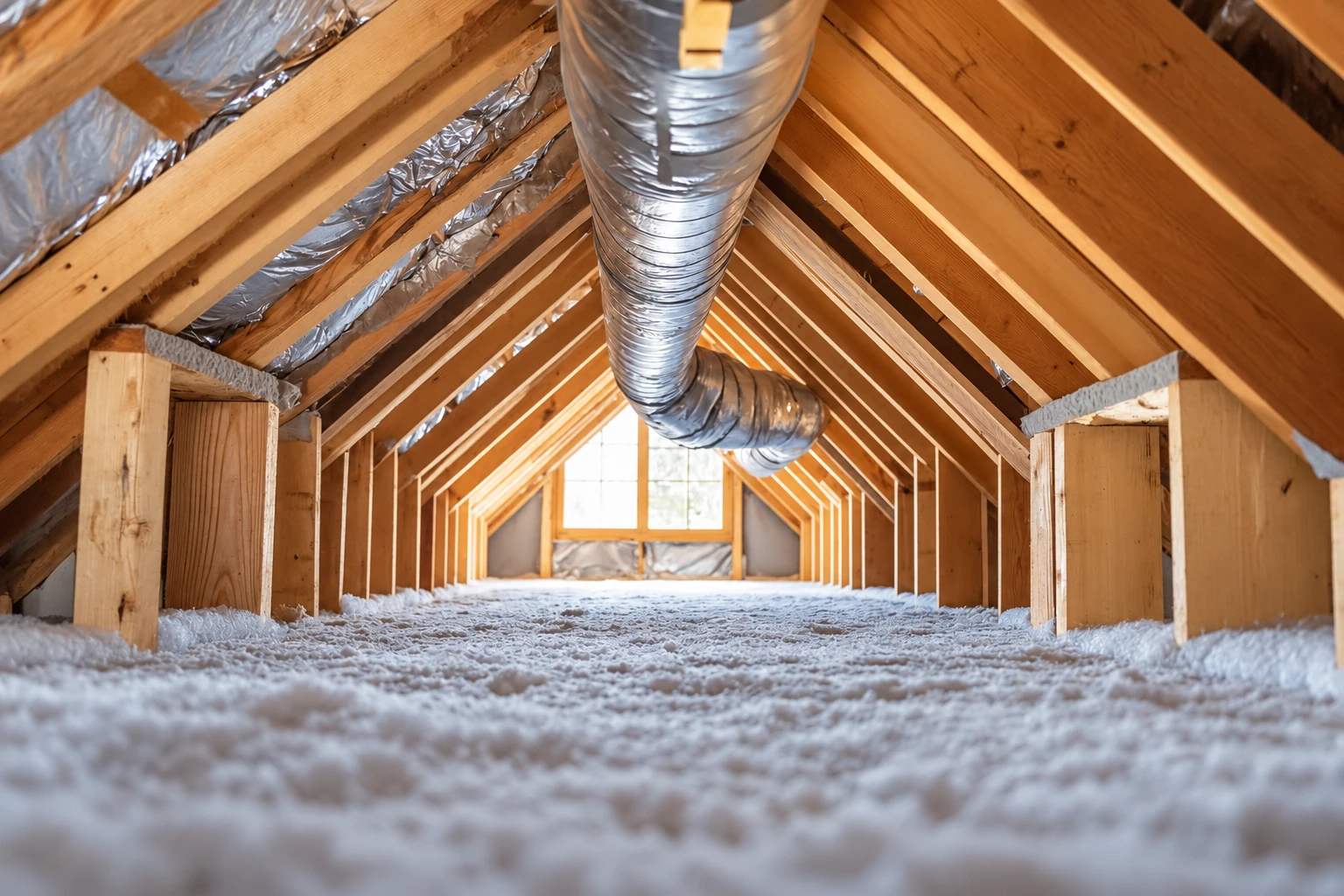
Before anything gets blown in, I go up and check for the problems that guidance on attic work says to find first, which are live knob and tube wiring, old vermiculite that may contain asbestos, bath fans venting into the attic and roof leaks, because each one has to be fixed or planned around before the attic gets covered up. Then I lay out cellulose and fiberglass side by side so you can pick what fits your attic. Our crew air seals the attic floor, closing the gaps around pipes, wires, can lights and the hatch so house air stops leaking up, and keeps the vents at the eaves open so the attic can still breathe. Then they blow the insulation in to an even depth from edge to edge, since the edges are where a rushed job usually runs thin.
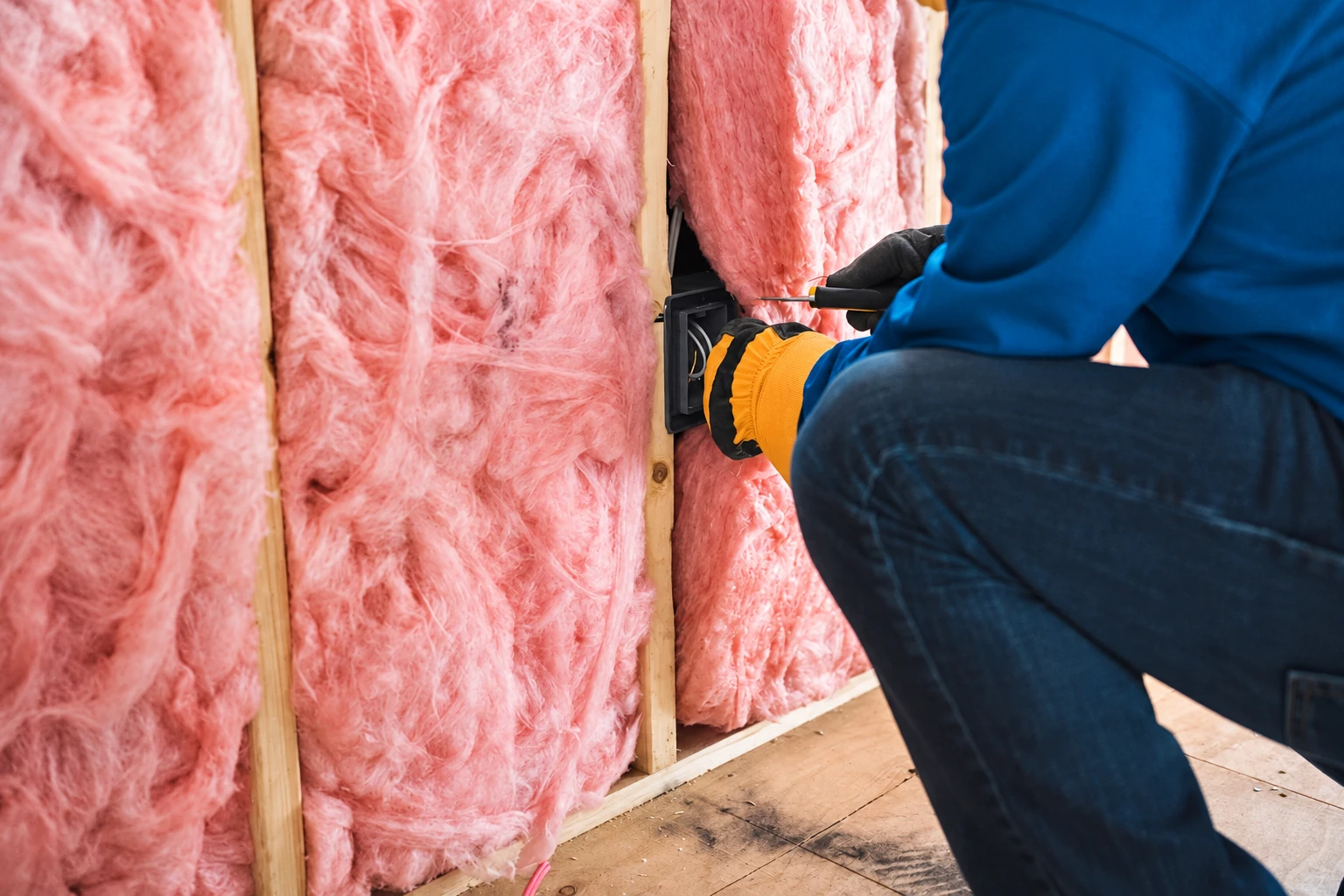
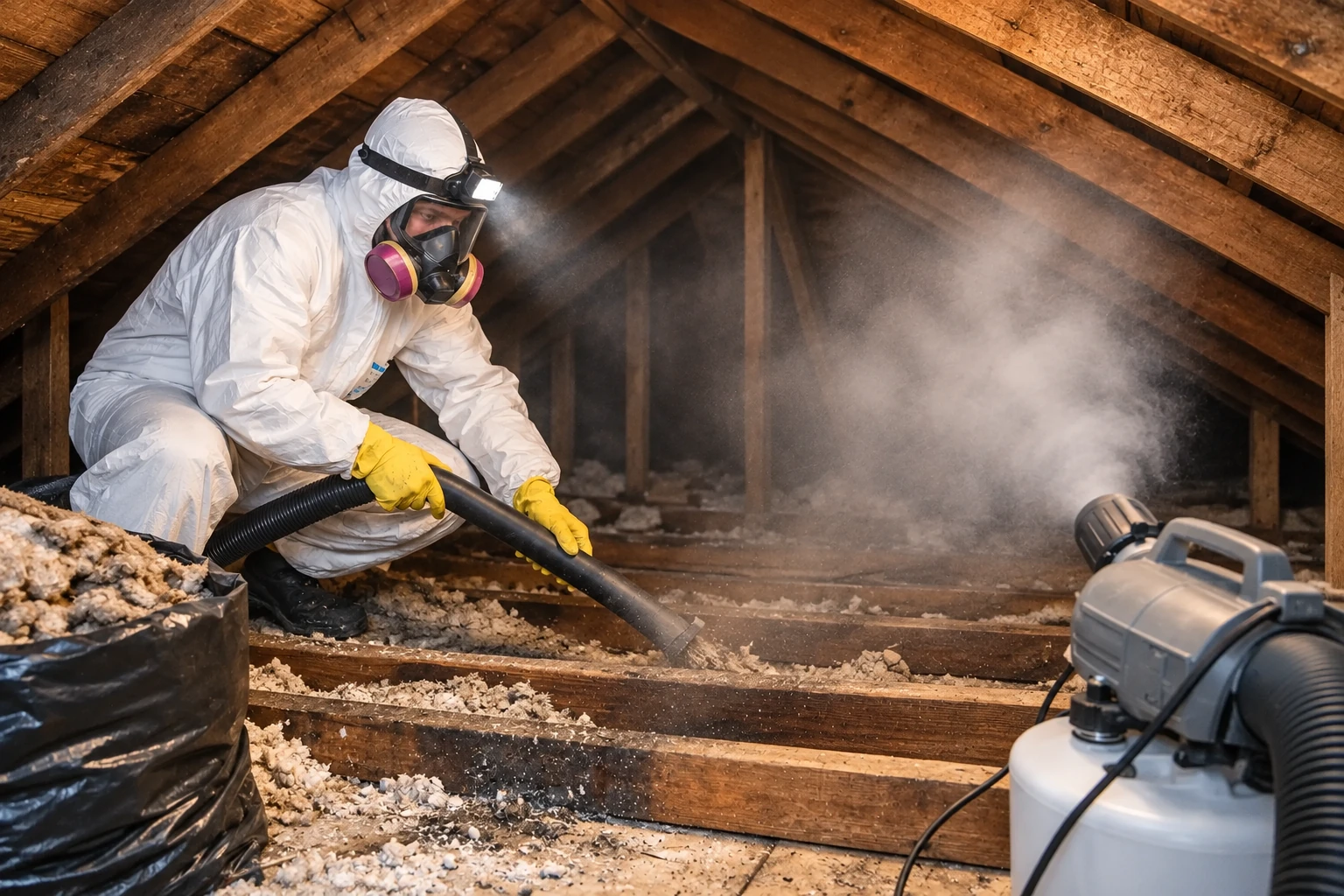
If the old layer is soaked, matted or full of droppings, new material on top just buries the problem, so that attic needs insulation removal before anything new goes in. And when the attic is only part of why the house feels uncomfortable, we can look at the walls and crawl space too as part of home insulation.
Other work that often goes with an attic job
Insulation removal
When the old fill has been rained on or lived in by rodents, pulling it out and cleaning the attic floor gives the new layer a clean start.
Home insulation
If some rooms run hot and others drafty, a look at the whole house finds the weak spots past the attic.
What happens after you call about blown-in insulation in Odessa?
Call and talk it through
Call (432) 280-0033 and I'm glad to go over what you're seeing on the phone before anyone comes out. Then we set a time for me to come look.
I go up in the attic
I come out myself and check for anything that should be fixed before we insulate, then go over your options with you. You get a written estimate that spells out the prep, the material and the price, so you know what you're paying for before you decide.
Our crew lead runs the job
Once you're ready, our crew lead and the crew seal the attic floor, keep the eave vents clear and blow in the insulation. Most of the work happens in the attic and at the truck, so inside you'll usually just need a clear path to the hatch.
We walk it with you
At the end we walk the job with you, and you can look in the attic and see the depth for yourself. If something doesn't sit right, tell us then, because your satisfaction, guaranteed, is how we work.
Questions before you book blown-in insulation
Is cellulose or fiberglass better for blown-in attic insulation?
Neither wins everywhere, so it comes down to your attic and your house. Cellulose slows air moving through it better and costs less, but it's heavier and breaks down if it gets soaked, while fiberglass costs more but is lighter and holds up better if water reaches it. On a mobile home, cellulose isn't recommended for the ceiling or floor because of its weight, so fiberglass is the one to use there.
What causes blown-in insulation to settle, and how much depth does it lose?
Gravity and everyday vibration slowly pack loose fill down. Cellulose usually settles about 10 to 20 percent over time and fiberglass about 2 to 4 percent, so a cellulose layer gives up more of its depth over the years. It's worth weighing next to cost and weight when you choose.
How much does blown-in attic insulation cost in Odessa?
Attic insulation in the Midland area usually costs about $1,400 to $4,500 per job, and that's the market's range, not our price. Blowing in loose fill usually costs less than laying batts and covers better, though install costs vary. Where your attic lands depends on the things covered above, mostly its size and how much prep it needs, and I'll put your figure in writing once I've seen it.
Should my attic be air sealed before adding blown-in insulation?
Yes, in an existing vented attic every opening in the attic floor should be sealed before the insulation goes in. Sealing first saves energy, lowers the bill and helps head off moisture problems in the framing. When you compare quotes, ask whether air sealing is included, since adding insulation is the time to do it.
What is the best way to insulate an existing attic in Odessa?
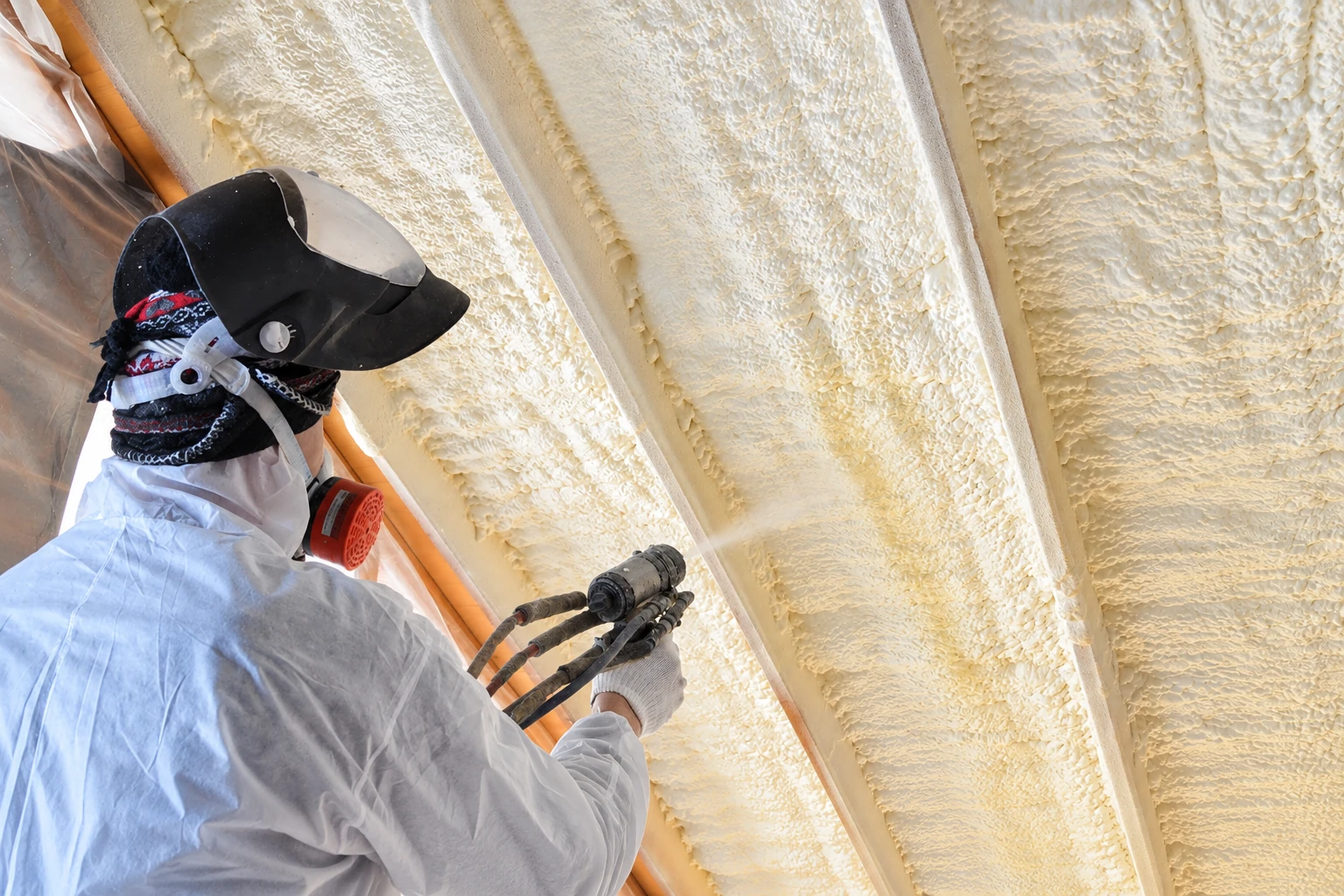
For most vented attics, sealing the gaps in the attic floor and topping up with blown-in insulation is the better buy. Foam costs more and seals air while it insulates, which can be worth it when the ductwork runs through the attic. Otherwise sealing plus loose fill usually wins, and I'll tell you which camp your attic is in after I've been up there.
Who issues building permits for home projects in Odessa, TX?
Inside Odessa, the city's Building Inspections Division issues permits, reviews residential plans and inspects construction for code compliance, so that's the office to ask about your project. The Ector County Utility District also has a permits and inspections office for development projects in its area. When a job needs a permit, we handle it with whichever office covers your address and tell you up front, and we're fully licensed and insured. We're based in Odessa and work across the cities around it, with West Odessa, Midland, Andrews and Monahans among them.
Get a written estimate for blown-in insulation in your attic
We respond within 1 business day, and the estimate is free and done in person, with no pressure and no obligation. Once you send the form, I'll get back to you, answer what I can over the phone, then come out to look at the attic myself and write up your options.
Explore our services and areas
Services
- Spray foam insulation
- Attic insulation
- Home insulation
- Insulation removal
- Crawl space insulation
- Wall insulation
- Air sealing services
- Basement insulation
- Closed-cell foam insulation
- Open-cell foam insulation
- Commercial insulation
- Crawl space vapor barrier
- Vapor barrier installation
- Attic air sealing
- Retrofit insulation
Get your attic checked and quoted
If you've seen gray, pebbly fill or signs of a roof leak up there, mention it when you call or fill out the form so I can plan for it before I come out.